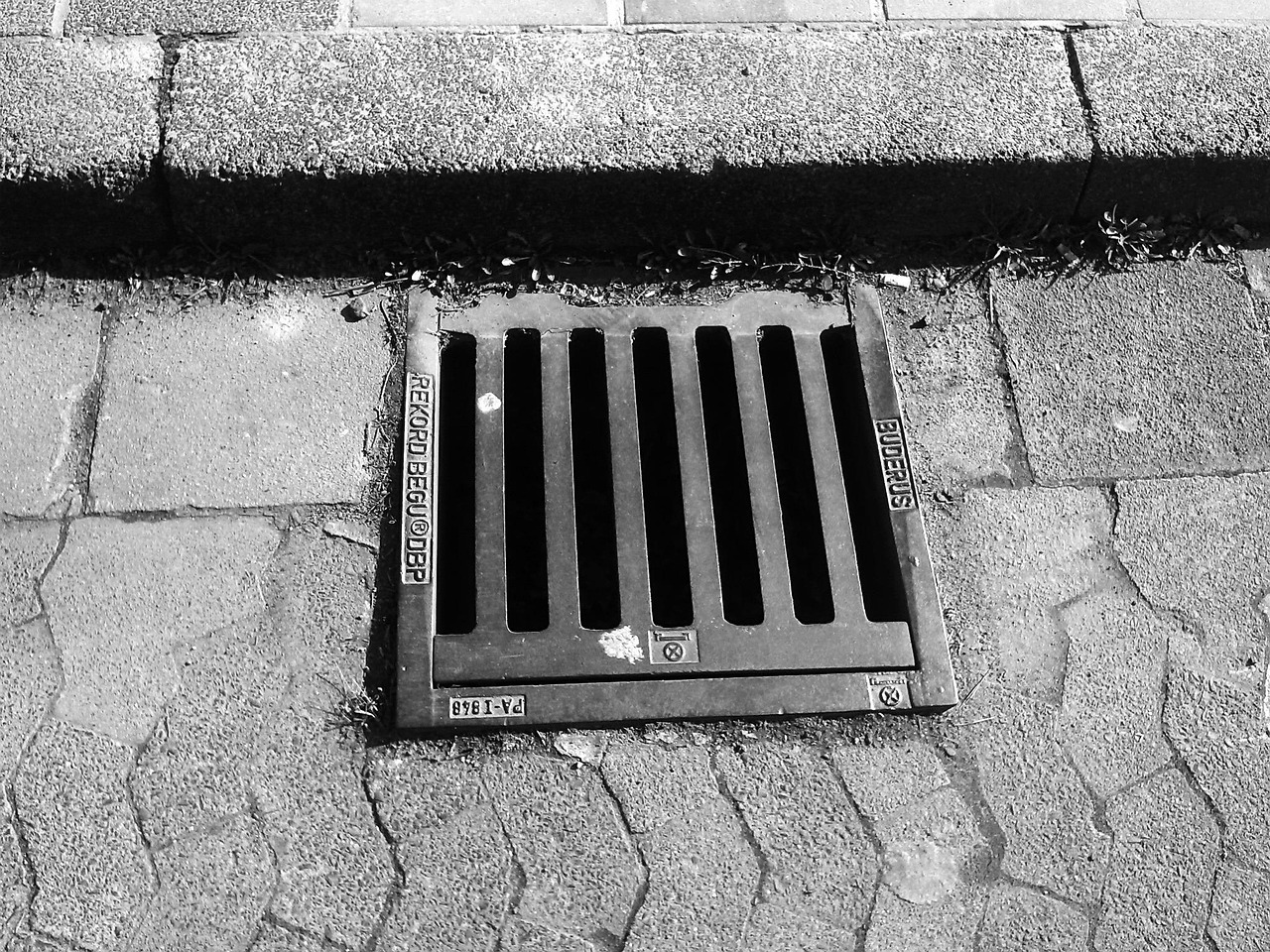
Blocked rainwater drains are an essential component of any property, yet they often go unnoticed until they stop working correctly. These systems play a critical role in diverting water away from your home’s foundation, preventing damp, and protecting the structural integrity of the building. Unfortunately, they are prone to clogging from leaves, moss, and general garden debris, especially during the autumn months. Ignoring a blockage can lead to significant water damage over time, including saturated brickwork and flooded basements, so addressing the issue early is vital for effective home maintenance.
Understanding how these blockages occur helps in dealing with them effectively. Over time, leaves and dirt accumulate in the gutters and wash down into the downspouts. This debris can compact and form a solid plug that stops water from flowing. In other cases, moss from roof tiles can slide into the guttering, creating a heavy sludge that is difficult to shift. Identifying these problems early saves time and money on potential repairs.
Identifying a Blocked Drain
You might first notice a problem during heavy rainfall. Water spilling over the edges of your gutters rather than flowing down the pipe is a classic sign of an obstruction. Another clear indicator is water pooling around the base of downspouts or gullies that seem to drain slowly. If you see damp patches appearing on your external walls or notice a musty smell near the drains, the blockage may be causing water to seep into the brickwork.
Before you investigate the issue, safety must be your priority. Working at height carries risks, so you must verify your ladder is stable and placed on firm, level ground. It is safer to have a second person nearby to spot you and pass up tools. Never attempt to climb a ladder if the weather is windy or the ground is slippery, as the risk of falling increases significantly.
Tools and Materials
Gathering the right equipment makes the job significantly easier and safer. You will need a sturdy ladder and thick, waterproof gloves to protect your hands from sharp debris and bacteria found in decomposing matter. A garden hose with a spray nozzle is essential for flushing the system and checking for flow. For deeper obstructions that the hose cannot shift, a drain snake or a plumbing auger is the most effective tool.
While those are the essentials, a few additional items can be helpful. A bucket and S-hook allow you to collect waste directly from the ladder rather than throwing it on the ground, which keeps your workspace clean. Safety glasses are also recommended to protect your eyes from splashes when you are flushing the pipes. If you suspect the blockage is underground, you might also need a stiff brush to scrub the drain gully covers.
Prevention Tips
Maintaining your drains is far easier than fixing a blockage after it happens. Aim to clean your gutters at least twice a year, specifically in late autumn after the leaves fall and again in spring to clear any winter debris. This regular schedule keeps water flowing freely and highlights potential issues before they become serious.
Installing gutter guards can significantly reduce the amount of debris entering the system. These mesh or plastic covers sit over the guttering, allowing water to pass through while keeping leaves and large items out. Additionally, keep overhanging tree branches trimmed back to reduce the volume of leaves dropping onto your roof. This simple step minimizes the accumulation of organic matter in your drainage system.
Maintaining a Healthy Drainage System
A functioning rainwater drainage system protects your property from water damage and damp. While most blockages are simple to clear with basic tools and a bit of effort, persistent issues may indicate a more serious problem like a collapsed pipe or root intrusion. If you cannot clear the drain yourself after trying these methods, contact a professional drainage specialist to inspect the system thoroughly. Taking action now protects your home from costly repairs in the future.